avoiding pitfalls in choosing ikebana flower arranging tools
Ikebana, the Japanese art of floral arrangement, is a beautiful way to express creativity and connect with nature. However, selecting the right tools for this delicate craft can be challenging. In 2026, it's essential to be well-informed about the supplies that will help you create stunning arrangements while avoiding common mistakes. This article highlights some pitfalls to watch out for when choosing your ikebana tools.
Understanding Basic Ikebana Tools
The first mistake many beginners make is not familiarising themselves with essential ikebana tools. While traditional tools include kenzan (flower frog), scissors, and containers, the quality and type of these tools can significantly affect your arrangements. Invest in a good pair of floral scissors that have a sharp blade and a comfortable grip. This will ensure clean cuts, which are vital for the longevity of your flowers.
Choosing the Right Kenzan
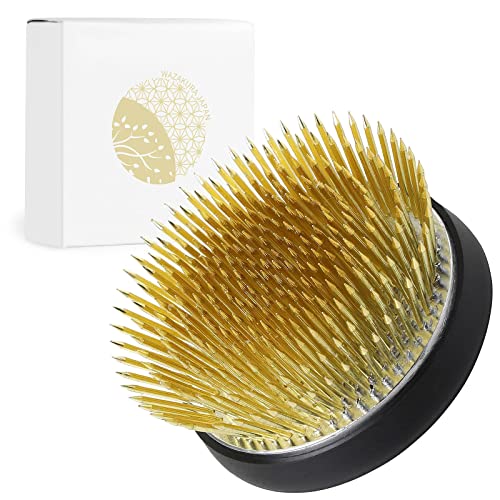
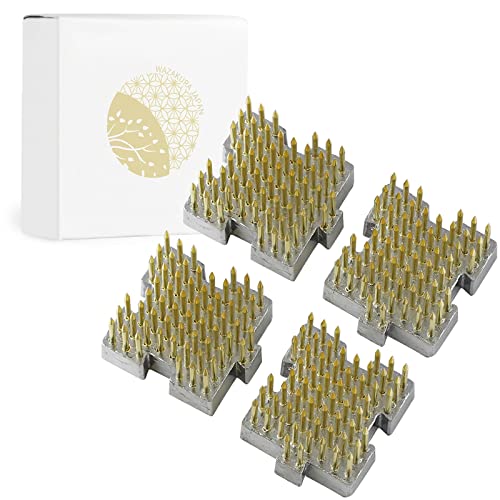
Another common pitfall is selecting the wrong kenzan. These devices anchor stems and provide stability for your arrangements. Kenzan comes in various sizes and weights, so it is crucial to choose one that matches the scale of your arrangement. A heavy kenzan works well for larger, more robust flowers, while a lighter one is suitable for delicate blossoms. Make sure to check the sharpness of the pins; dull pins can damage stems and lead to wilting.
People Also Look For:
- Keiko's Ikebana: A Contemporary Approach to the Traditional Japanese Art of Flower Arranging
- Ikebana: Step-by-step Japanese Flower Arrangement
- Wazakura Minoyaki Series Japanese Ikebana Essential Tool Kit - Small Round Ceramic Flower Vase and Kenzan Pin Frog for Floral Arra...
- PATIKIL Flower Frogs Ikebana Kenzan, 3Pcs/1Set Flower Arranger Tool Brass Floral Frog Pin Holder for Vase Flower Arrangement, Gold...
- Wazakura Radial-Shaped Ikebana Kenzan Made in Japan- 2.5" (62mm) - Japanese Floral Arranging Tool Flower Pin Frog Holder, Foam Fre...
Ignoring the Importance of Containers
Containers play a pivotal role in ikebana designs. One frequent mistake is using inappropriate containers that do not suit the floral composition. When choosing a container, consider its size, shape, and material. Traditional ikebana vessels are often shallow and wide, allowing for various heights and designs. Avoid containers that are too deep or narrow, as they may restrict the arrangement's natural flow. Additionally, consider how the container complements the flowers. A harmonious combination enhances the overall aesthetic.
Overlooking Maintenance Tools
Many enthusiasts focus solely on arranging tools and forget about maintenance supplies. Proper maintenance tools are crucial for keeping your arrangements fresh. These may include a water source, flower food, and a misting bottle. Ensure you have a reliable watering can or a spray bottle to provide adequate hydration. Regularly changing the water in your arrangements will prevent bacteria growth, ultimately extending the life of your flowers.
Buying Tools Without Testing
A common mistake is purchasing tools online without trying them first. The feel and balance of tools can greatly affect your arranging experience. Whenever possible, visit a local shop where you can test scissors and other tools. Pay attention to how they feel in your hand; tools that are too heavy or awkward can lead to frustration during the arranging process. If you must shop online, read reviews and look for detailed descriptions or videos demonstrating the tools.
Neglecting Personal Preference
Every ikebana artist has a unique style and preference when it comes to tools. Some might favour traditional Japanese tools, while others may prefer modern adaptations. Avoid following trends blindly; instead, trust your instincts. Spend time experimenting with different tools to find what feels right for you. Personal comfort and confidence will reflect in your floral arrangements.
Investing in Complete Kits
While complete ikebana kits may seem convenient, they can often lead you to acquire tools you may not need or use. Assess your requirements before purchasing a kit. If you are starting, consider buying individual tools one at a time. This approach allows you to collect items that genuinely suit your style and needs, rather than being bound to a set that may have unnecessary tools.