Navigating Ikebana Techniques and Trends for Enthusiasts in 2026
As we enter 2026, Ikebana continues to captivate flower enthusiasts around the world. This ancient Japanese art form, which emphasises harmony, balance, and simplicity, has seen a resurgence in popularity. With emerging trends and innovative techniques, enthusiasts are finding new ways to express their creativity through the arrangement of flowers and natural elements.
Understanding the Basics of Ikebana
Before delving into the latest trends, it is essential to grasp the fundamental principles of Ikebana. Unlike conventional floral arrangements, Ikebana focuses on line, balance, and space. Practitioners often use a limited number of stems and aim to create a sense of harmony between the flowers and their surroundings. The three main elements of Ikebana are the shin, which represents heaven; the soe, symbolising earth; and the tai, embodying humanity. This trinity serves as a foundation for all arrangements.
Innovative Techniques in 2026
In 2026, innovative techniques in Ikebana are emerging, driven largely by advancements in sustainable practices and the integration of technology. Many enthusiasts are now incorporating dried and preserved flowers into their arrangements, allowing for longevity and reduced waste. This shift aligns with a growing emphasis on sustainability within the floral industry.
Furthermore, digital tools and apps are becoming invaluable resources for Ikebana practitioners. These technologies assist in visualising arrangements and offer guidance on colour theory and composition. Virtual workshops are also gaining popularity, enabling enthusiasts to learn from master florists across the globe without geographical constraints.
People Also Look For:
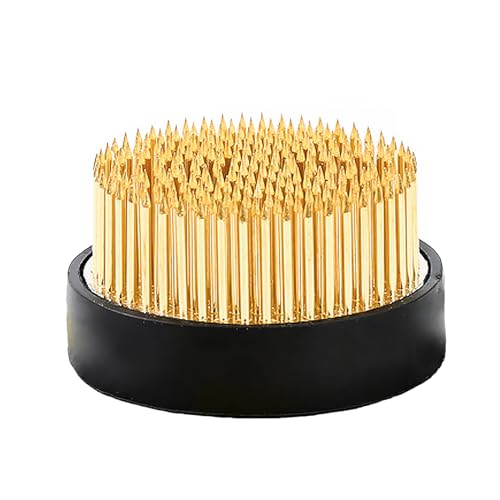
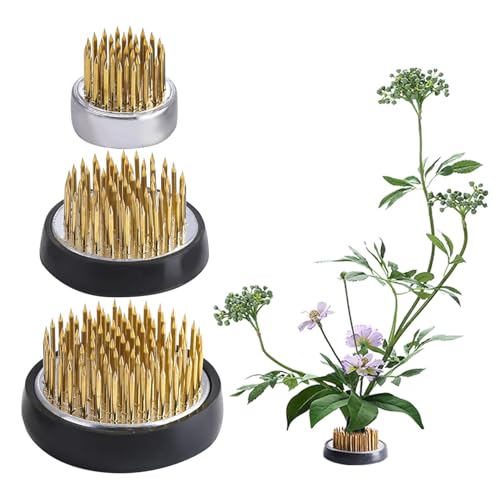
- PATIKIL 3.2" Flower Frogs Ikebana Kenzan, Flower Arranger Tool Stainless Floral Frog Pin Holder for Vase Flower Arrangement, Silve...
- Wazakura 3PCS Japanese Ikebana Essential Tool Set Made in Japan, Floral Arrangement Kit [ Koryu Scissors + 61mm Round Brass Kenzan...
- WUWEOT 12 Pack Flower Frog Holder, 23MM Kenzans Round Flower Arranger Mini Frog Floral Frog Pins, Flower Pin Holder Fixed Tools fo...
- Mastering the Art of Ikebana: A Guide to Traditional Japanese Flower Arrangement
- Wazakura 4PCS Black Mini Ikebana Kenzan Japanese Flower Holder Pin Cushion, Made in Japan, Flower Arranging Accessories Pin Flower...
Embracing Minimalism and Asymmetry
The trend towards minimalism is significantly influencing Ikebana practices in 2026. Many arrangements now reflect a more stripped-down aesthetic, focusing on the beauty of individual flowers rather than elaborate displays. Asymmetry is becoming increasingly popular, with practitioners favouring off-centre arrangements that draw the eye and create dynamic visual interest.
This minimalist approach encourages enthusiasts to meditate on the essence of each element. By stripping away excess, the resulting arrangements often convey deeper emotions and messages. Utilising negative space effectively can lead to striking compositions that resonate with viewers on a personal level.
Colour Trends and Seasonal Influences
As we progress through 2026, colour trends in Ikebana are evolving. Inspired by global fashion and design, palettes featuring muted tones and earthy hues are gaining traction. These colours not only evoke a sense of calm but also reflect the natural world, allowing arrangements to blend seamlessly with their surroundings.
Seasonal influences are also playing a pivotal role in colour selection. Spring arrangements might incorporate soft pastels and vibrant blooms, while autumn displays could focus on rich, warm tones and textured elements. The cyclical nature of Ikebana encourages enthusiasts to remain attuned to the changing seasons, fostering a deeper connection with nature.
Community and Collaboration
The Ikebana community is thriving in 2026, with increased opportunities for collaboration and engagement. Local workshops and events are becoming more frequent, allowing enthusiasts to share their experiences and learn from one another. These gatherings provide a platform for exchanging ideas and experimenting with new techniques, fostering a sense of camaraderie among practitioners.
Social media continues to play a significant role in this community-building. Platforms like Instagram and Pinterest serve as showcases for Ikebana artistry, with enthusiasts sharing their creations and inspiring others. Hashtags dedicated to Ikebana are helping to cultivate a global network of enthusiasts, transcending cultural boundaries and encouraging cross-cultural exchanges.
Exploring Cultural Influences
In 2026, the influence of various cultures on Ikebana is becoming increasingly apparent. As practitioners experiment with incorporating elements from different artistic traditions, the art form is evolving into a more diverse and inclusive practice. This cross-pollination of ideas is enriching the Ikebana landscape, leading to innovative and exciting arrangements that reflect a blend of influences.
By embracing various cultural techniques, enthusiasts are able to garner fresh perspectives and challenge traditional norms. This openness to experimentation is essential in keeping the art of Ikebana relevant and dynamic in the modern world.