Embracing Seasonal Trends in Ikebana Artistry for 2026
As we step into 2026, the world of Ikebana is poised for a vibrant transformation that reflects the changing seasons. This ancient Japanese art form, which focuses on the arrangement of flowers and foliage, continues to evolve while remaining deeply rooted in its traditional values. The upcoming year presents an opportunity for artists and enthusiasts alike to embrace seasonal trends and integrate them into their creations, creating a harmonious blend of nature and artistry.
The Influence of Seasonal Changes
In Ikebana, the seasons play a crucial role in the selection of materials and the overall design philosophy. Each season brings its own unique palette of colours, textures and shapes that can inspire the artist's vision. In 2026, we anticipate a heightened awareness of seasonal changes, with practitioners being urged to respond to the nuances of nature throughout the year.
Spring, with its delicate blossoms and fresh greenery, invites a soft approach to Ikebana. The use of seasonal flowers such as cherry blossoms, tulips and daffodils will be prominent, capturing the essence of renewal and growth. In contrast, summer arrangements may lean towards bold colours and vibrant forms, incorporating sunflowers, roses and tropical foliage that embody the exuberance of the season.
Autumn and Winter Inspirations
As we transition into autumn, there is a shift towards rich hues and earthy tones. The use of materials such as chrysanthemums, dahlias and autumn leaves will dominate the arrangements, allowing for a celebration of the harvest season. The artistry during this time will reflect a more grounded aesthetic, embracing the beauty of decay and transformation.
People Also Look For:
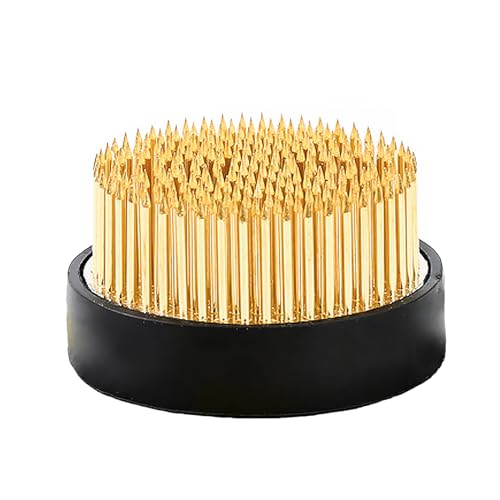
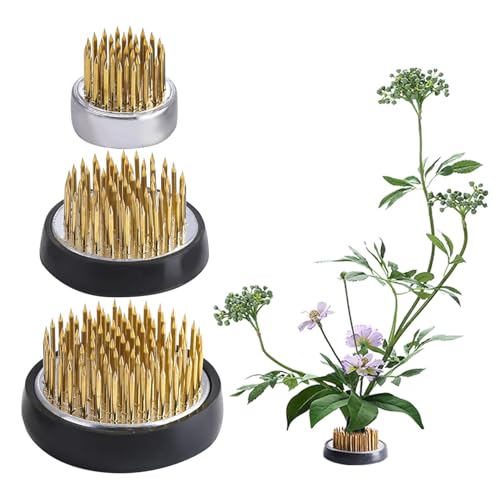
- Florlacraft® Florist Pinholder Kenzan "“ 1.5" Metal Flower Frog with Detachable Rubber Base | Needlepoint Stem Holder for Ikeba...
- Wazakura 3PCS Japanese Ikebana Essential Tool Set Made in Japan, Floral Arrangement Kit [ Koryu Scissors + 61mm Round Black Kenzan...
- Inzopo Round Container Flower Bonsai Pot Vase Suiban Ikebana Plastic - Black 28cm, as described
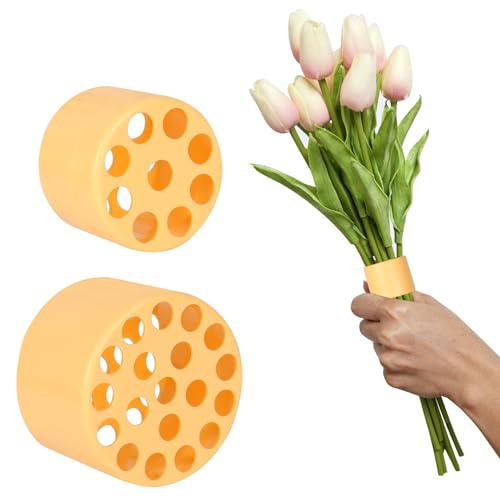
- WUWEOT 12 Pack Flower Frog Holder, 23MM Kenzans Round Flower Arranger Mini Frog Floral Frog Pins, Flower Pin Holder Fixed Tools fo...
- rockible Japanese Vase Ikebana Suiban Bonsai Container for Flower Arrangements AND SIZES, Black 28cm
Winter, on the other hand, offers a unique opportunity to explore minimalism and simplicity in Ikebana. The cool tones of evergreens, along with the striking forms of branches and the subtle beauty of winter blooms like hellebores, will inspire arrangements that focus on tranquility and contemplation. The starkness of the season can be used to create powerful statements through negative space, allowing the viewer to appreciate the elegance of each element.
Innovative Techniques and Materials
In 2026, we can expect a surge in innovative techniques that blend traditional Ikebana practices with modern artistic expressions. Artists are encouraged to experiment with non-traditional materials such as dried flowers, grasses and unconventional objects that can add depth and texture to their arrangements. This adventurous spirit aligns with the contemporary movement to redefine artistic boundaries while honouring the essence of Ikebana.
Additionally, the integration of technology into Ikebana practice is gaining traction. Digital platforms and social media are facilitating a global dialogue among artists, allowing for the exchange of ideas, techniques and seasonal inspirations. Virtual workshops and online galleries enable enthusiasts to showcase their work and connect with a diverse community, further enriching the art form.
Emphasising Sustainability
As we move forward, sustainability will be a pivotal theme in Ikebana artistry in 2026. With an increasing awareness of environmental issues, artists will be encouraged to source materials ethically and locally. This not only supports local economies but also fosters a deeper connection with the natural world. Emphasising the use of seasonal and native plants will allow practitioners to create arrangements that are not only visually stunning but also ecologically responsible.
Moreover, the practice of recycling and repurposing materials will become more mainstream, as artists look for ways to minimise waste and highlight the beauty of impermanence. This sustainable approach will resonate with audiences who are becoming more conscious of their environmental impact, further enhancing the relevance of Ikebana in contemporary society.
As the year unfolds, the integration of seasonal trends, innovative techniques and sustainability will shape the future of Ikebana artistry.