Master the Art of Ikebana for Stunning Floral Creations in 2026
As we step into 2026, the delicate art of Ikebana continues to captivate floral enthusiasts and artists alike. This traditional Japanese practice goes beyond mere aesthetics; it embodies a philosophy of harmony, balance, and simplicity. In a world increasingly dominated by fast-paced trends and ephemeral beauty, mastering Ikebana offers a unique opportunity to cultivate mindfulness and creativity through the arrangement of flowers.
Understanding Ikebana
Ikebana, which translates to 'living flowers,' is a centuries-old practice that emphasises the beauty of lines, balance, and natural forms. Unlike Western floral arrangements, which typically prioritise the abundance of blooms, Ikebana focuses on the graceful arrangement of flowers, branches, leaves, and even empty space. This minimalist approach invites the viewer to appreciate the beauty of each element, fostering a deeper connection with nature.
The Principles of Ikebana
To truly master Ikebana, one must understand its key principles. The first is the concept of 'shin, soe, and tai,' which represents the three main elements of any arrangement. 'Shin' refers to the tallest element, symbolising heaven, while 'soe' represents the secondary element, representing humanity. Finally, 'tai' is the lowest element, symbolising earth. This triad creates a harmonious balance that is central to any Ikebana composition.
Another essential principle is the use of space, or 'ma.' In Ikebana, the empty spaces around the arrangement are just as important as the flowers themselves. This emphasis on negative space encourages the viewer to engage with the arrangement on a deeper level, allowing for contemplation and reflection.
People Also Look For:
- Kenzan Ikebana Vase, Ceramic Flower Frog Holder Japanese Flower Pot, Flower Arrangement Accessories, Home Decoration, Black
- WANDIC Flower Arranging Supplies, Round Flower Frog & Ceramic Flower Pot for Ikebana Floral Arrangement Art Home Office Decoration...
- Ikebana 101: A Beginners Crash Course on Ikebana Flower Arrangement
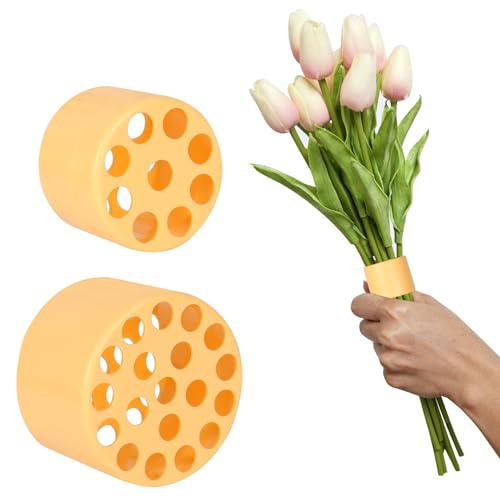
- WALLFID 3Pcs Spiral Ikebana Stem Holder,Flower Stem Holder,DIY Bouquet Twister Flower Floral Arrangement Holder for Vases Decor(S+...
- PATIKIL Flower Frogs Ikebana Kenzan, 2Pcs/1Set Floral Arranger Frog Plastic Flower Fixed Tool for Vase Flower Arrangement, Transpa...
Choosing Your Materials
In 2026, the choice of materials for Ikebana will reflect both traditional and contemporary influences. While classic selections such as cherry blossoms, chrysanthemums, and bamboo remain popular, there is a growing trend towards incorporating indigenous and seasonal flowers. Using locally sourced materials not only adds a unique touch to your arrangements but also supports sustainable practices within the floral industry.
When selecting materials, consider the colours, textures, and forms that resonate with you. Each flower and branch tells a story, and understanding their meanings can enhance the emotional depth of your arrangements. For example, peonies symbolise prosperity and good fortune, while irises represent courage and hope. By thoughtfully choosing your materials, you can create pieces that convey specific sentiments or themes.
Techniques for Arranging
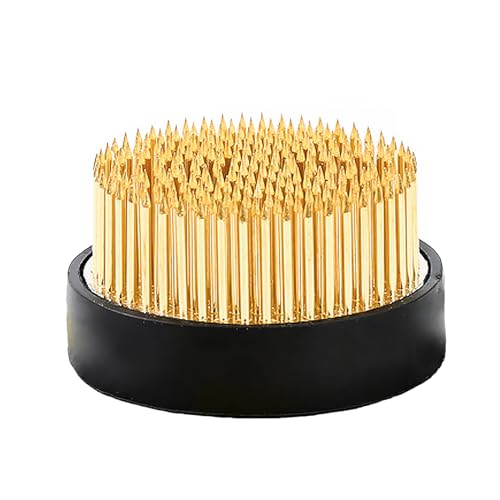
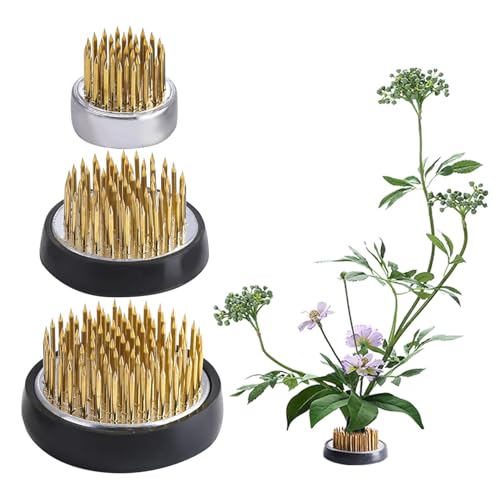
The techniques employed in Ikebana create a sense of rhythm and movement within the arrangement. One popular method is the use of 'kenzan' or flower frogs, which provide stability for the stems and allow for precise placement. In 2026, innovative designs are emerging that utilise various materials for kenzan, including recycled elements, which speak to the modern ethos of sustainability.
When arranging, begin with the placement of the 'shin' element, ensuring it stands tall and proud. Follow with the 'soe' and 'tai,' adjusting their positions to achieve balance and harmony. It is essential to step back frequently to assess the overall composition, making adjustments as needed. Embrace the process of trial and error, as each arrangement is a unique expression of your creativity.
Embracing the Philosophy of Ikebana
At its core, Ikebana is not merely about creating beautiful floral arrangements; it is a meditative practice that encourages mindfulness and self-expression. As you engage with the materials, allow yourself to be present in the moment, appreciating the colours, textures, and fragrances around you. This introspective approach can lead to a deeper understanding of the art form and a greater appreciation for the natural world.
As we move through 2026, consider participating in Ikebana workshops or joining local communities to further enhance your skills and knowledge. The shared experience of learning from others can enrich your understanding of this ancient art form and inspire new creative directions for your floral creations. Whether you are a seasoned practitioner or a novice, the journey of mastering Ikebana is one that promises growth, fulfilment, and beauty.